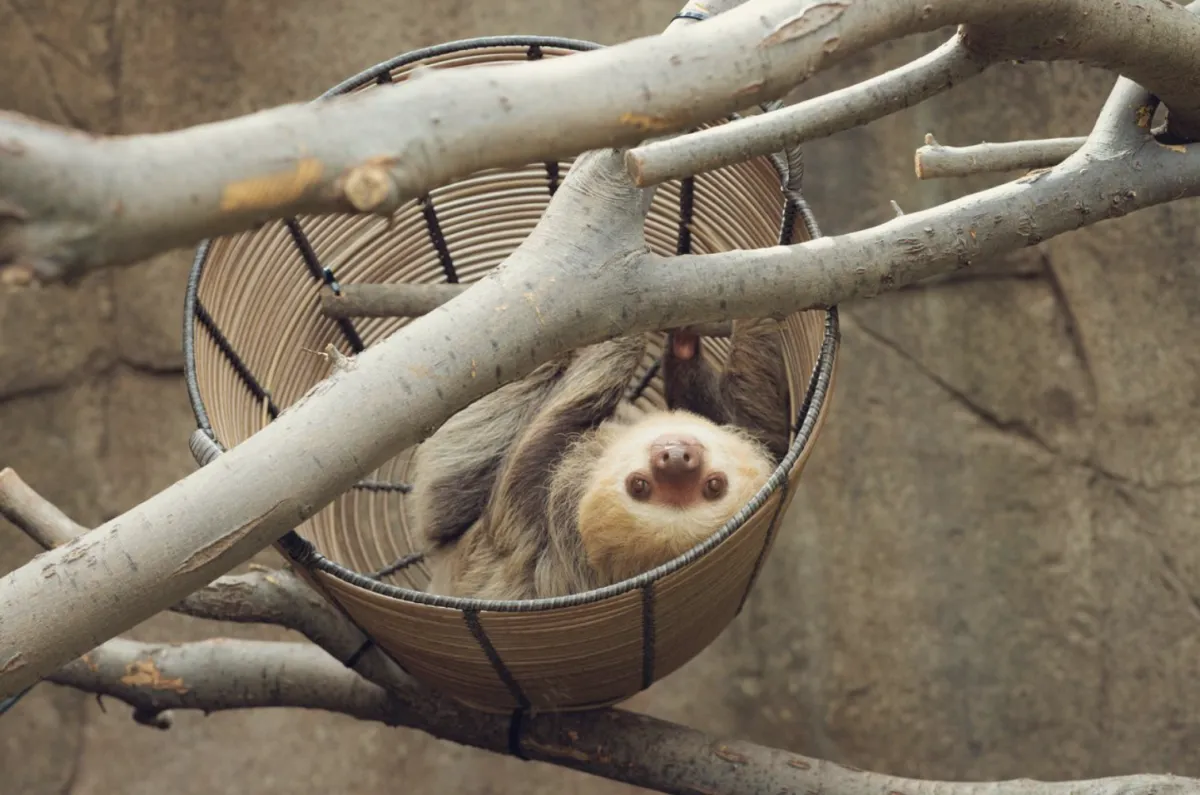
Fort Worth Zoo Announces a New Resident and the Rebirth of the Oldest Complex at the Zoo
A sloth and whole slew of improvements come to the World of Primates
Information courtesy of The Fort Worth Zoo
Photos courtesy of The Fort Worth Zoo
FORT WORTH, Texas – The Fort Worth Zoo announces the grand reopening of theWorld of Primates, the now-oldest complex in the Zoo, originally opened in 1992. Home to many of the Zoo’s primate species, including three of the four great apes, gorilla, orangutan and bonobo, the reimaged indoor space is now also home to a new species for the Zoo, the two-toed sloth.
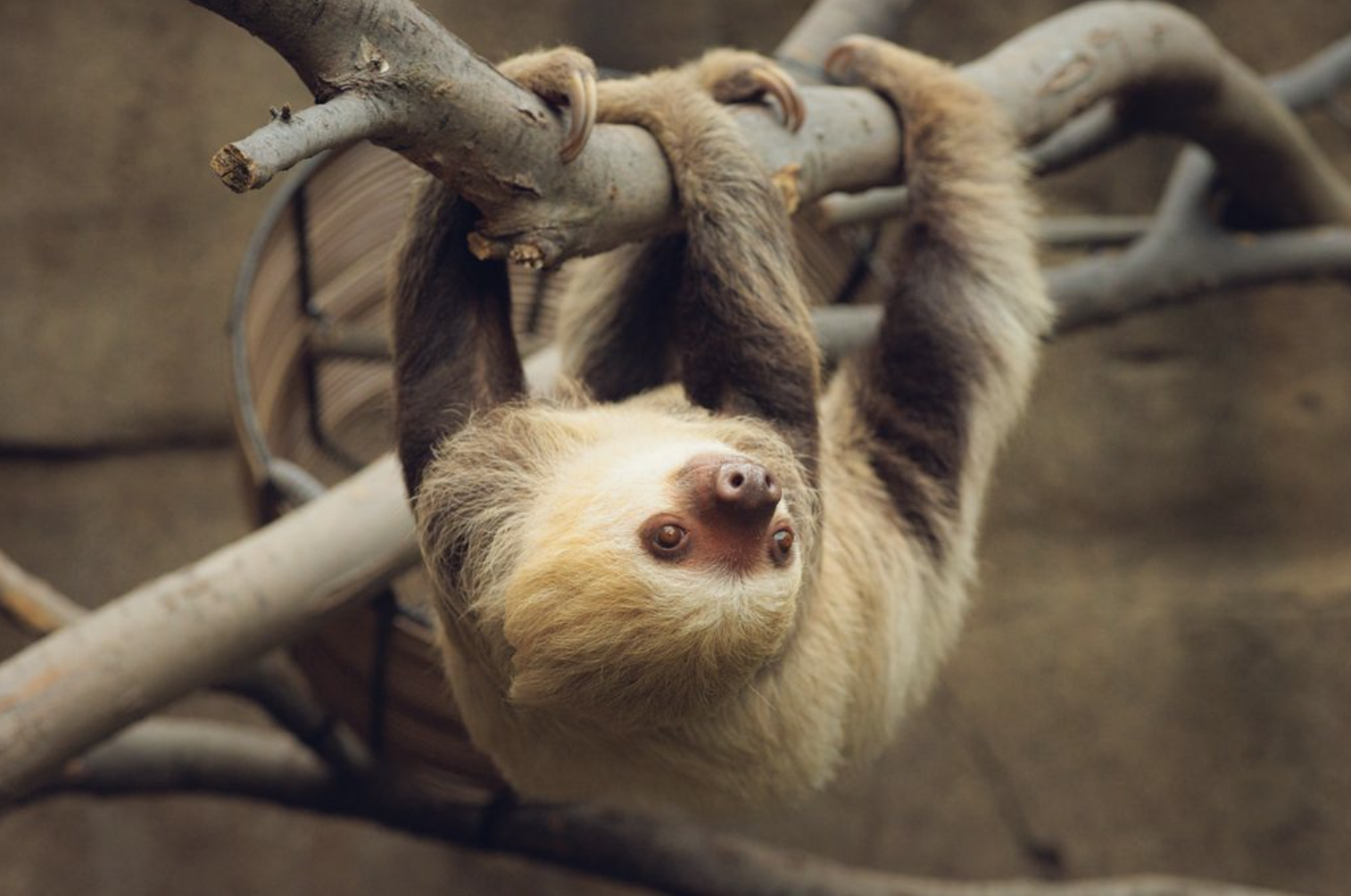
More than three decades old, the World of Primates has been well-loved by more than 34 million guests. This two-phase overhaul of the indoor and outdoor spaces is now possible, thanks to the generous support from loyal Zoo donors, including Amon G. Carter Foundation, William E. Scott Foundation, The Ryan Foundation and Leo Potishman Foundation. During Phase One, much needed improvements were made to the 2.5 acre complex, including in guest areas, animal habitats and in staff workspaces behind the scenes. Among exciting improvements is a brand-new habitat featuring our new two-toed sloth, Olive!
Video: Phase One
“We are always excited when there is an opportunity to introduce Fort Worth to a new animal at the Zoo,” said Michael Fouraker, executive director of the Fort Worth Zoo. “Guests have long requested a sloth, and we’re thrilled to provide a home for one. We hope the sloth species’ popularity and charm will inspire connection and allow us to continue our mission of strengthening the bond between humans and wildlife by providing close-up experiences with and fostering an appreciation for animals.”
Guests will also be surprised by the boardwalk access to the World of Primates indoor island, a space previously occupied by only animals. This marks the first time ever that guests will be able to visit this part of the complex! Additional features include an engaging suspended bridge and incredible, lush indoor landscaping that provides a tropical habitat for our aviary residents. Among the nearly 20 species of colorful exotic birds, a few noteworthy species include the critically endangered white winged duck, the uniquely colored red-and-yellow barbet, and the pink-necked pigeon, which is rare to find among other zoos in North America.
Even more impressive than what you can see is the dramatic overhaul behind the scenes throughout Phase One.
Behind-the-scenes improvements include:
Advanced, modernized HVAC infrastructure throughout the complex
Updated overnight spaces for the animals
Modernized shifting systems to ensure the safety of our animals and staff
Upgraded air compressor used to operate the shifting systems
Upgraded security systems
“Modernizing the critical systems within the oldest habitat at the Zoo was essential,” said Ramona Bass, chair of the Fort Worth Zoological Association Board of Directors. “It’s not glamorous, but these behind-the-scenes improvements will keep our spaces clean, comfortable and safe year-round for our animals, staff and Zoo guests. And we’re just getting started!”
Construction will begin later this year on Phase Two of World of Primates. Among the planned improvements, the gorilla moat will be filled, not only allowing guests to get closer to the incredible gorilla troop but also doubling the size of their habitat; as well as replacing the boardwalk and shade structures surrounding the complex.
Video: Phase Two
The nationally acclaimed Fort Worth Zoo has been voted a top zoo in North America by USA Today, one of the “World’s Greatest” by BloombergTV, the Best Zoo in Texas by Yahoo Travel, the No. 5 zoo in the nation by USA Travel Guide, the No. 1 family attraction in the DFW Metroplex by Zagat survey and a Top 10 Zoo or Aquarium by FamilyFun magazine. Home to nearly 7,000 animals, the Zoo is beginning its final installment of a four-phase master plan. The first phase, African Savanna, opened in 2018; the second phase, Elephant Springs, opened in 2021; the third, Predators of Asia & Africa, opened in June 2023. The fourth and final phase,Forests & Jungles of the World, is next. The institution’s focus on education and conservation is second to none, enhancing the lives of more than 1 million visitors a year and the animals that live there.
